
Why networking is the foundation of every smart home.
Ask why a smart home feels unreliable and the honest answer is nearly always the same: the network. It's the least glamorous part of a connected home and the one everything else depends on. Get it wrong and no amount of clever automation rescues it.
Most "smart home" faults are network faults.
Scenes that misfire, lights that lag, cameras that drop, an app that won't respond. They look like automation problems, but the cause is usually underneath: an automation platform can only be as reliable as the network it talks over. When the network wobbles, the whole system feels broken.
It's why our first question on a struggling system is rarely about the devices. It's about the network they're sitting on.
Why consumer mesh runs out of road.
Consumer routers and mesh kits work in a small home with a handful of devices. Add cameras, control processors, speakers and the everyday phones and laptops of a busy household, and they start to creak. Wireless mesh daisy-chains access points over the air, so each hop loses speed and the far end of a large or multi-storey house suffers.
A professional network does two things differently: it places access points by coverage rather than convenience, and it feeds them with cable, not air. That wired backhaul is what keeps performance even across the whole property.
Build the foundation first.
We build every smart home, cinema and CCTV system on a commercial-grade Ubiquiti network, the same platform businesses rely on. It's specified for the building, wired where it counts, and designed to take on more devices without becoming flaky. Spend here first and everything above it gets more reliable.
Quick answers.
- Why does my smart home keep dropping out?
- Almost always the network. Consumer routers and wireless mesh kits cope until you add devices, then scenes misfire, cameras drop and streaming stutters. The automation platform depends on a stable network to talk between devices, so when the network wobbles, the whole system feels unreliable. The fix is a properly designed, wired network.
- Is mesh Wi-Fi good enough for a smart home?
- For a small flat, sometimes. For a house with cameras, control systems and dozens of connected devices, no. Wireless mesh daisy-chains access points over the air, so speed and reliability fall away across a larger or multi-storey home. Wired backhaul to commercial-grade access points is what holds up.
Similar articles.
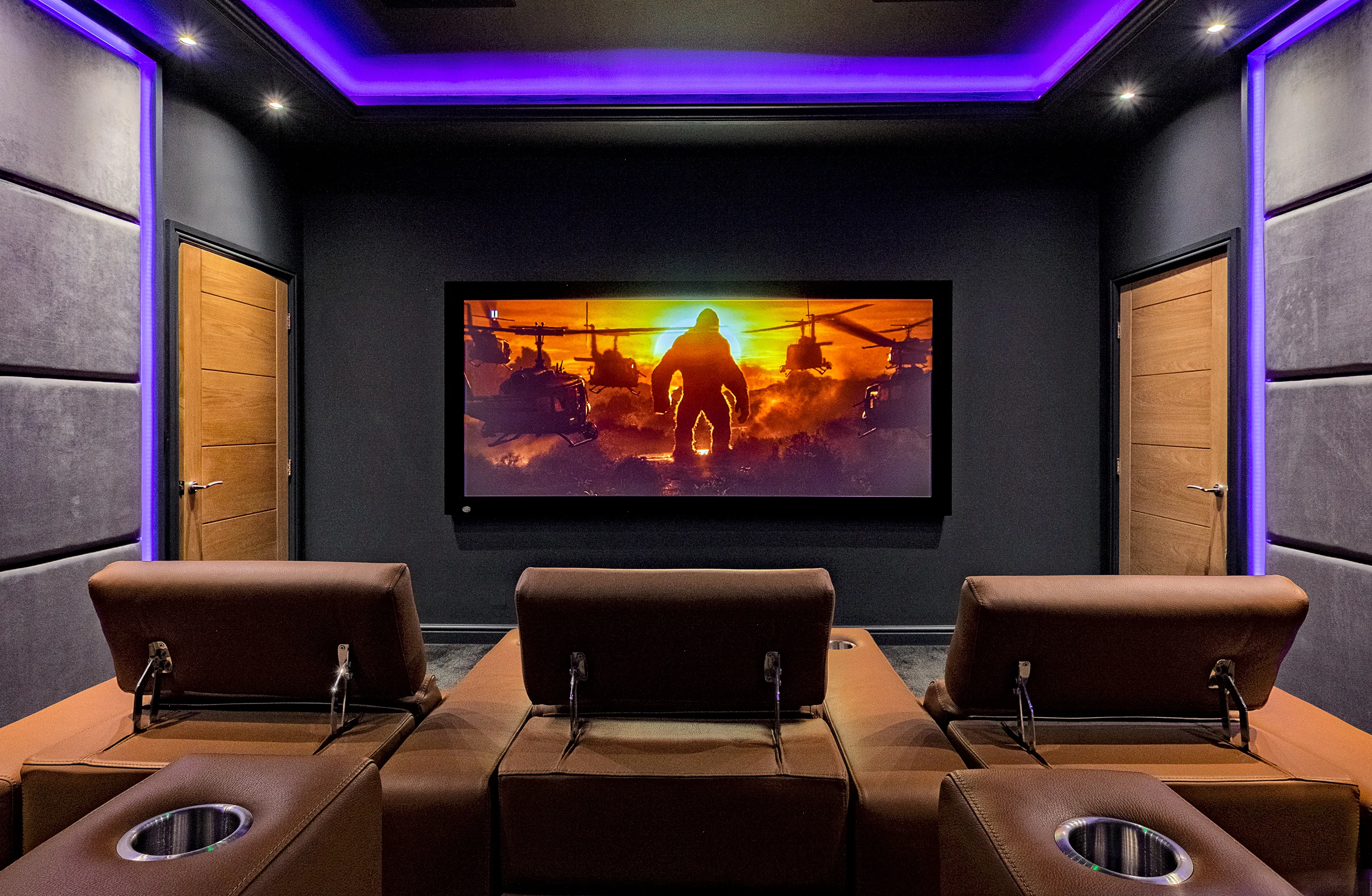 Home cinema · 6 min read
Creating a home cinema room: 2 things to consider
A well designed home cinema can transform how you enjoy your home. It is less about the kit on show and more about what the room does to you when the lights drop and the film starts.
Read article →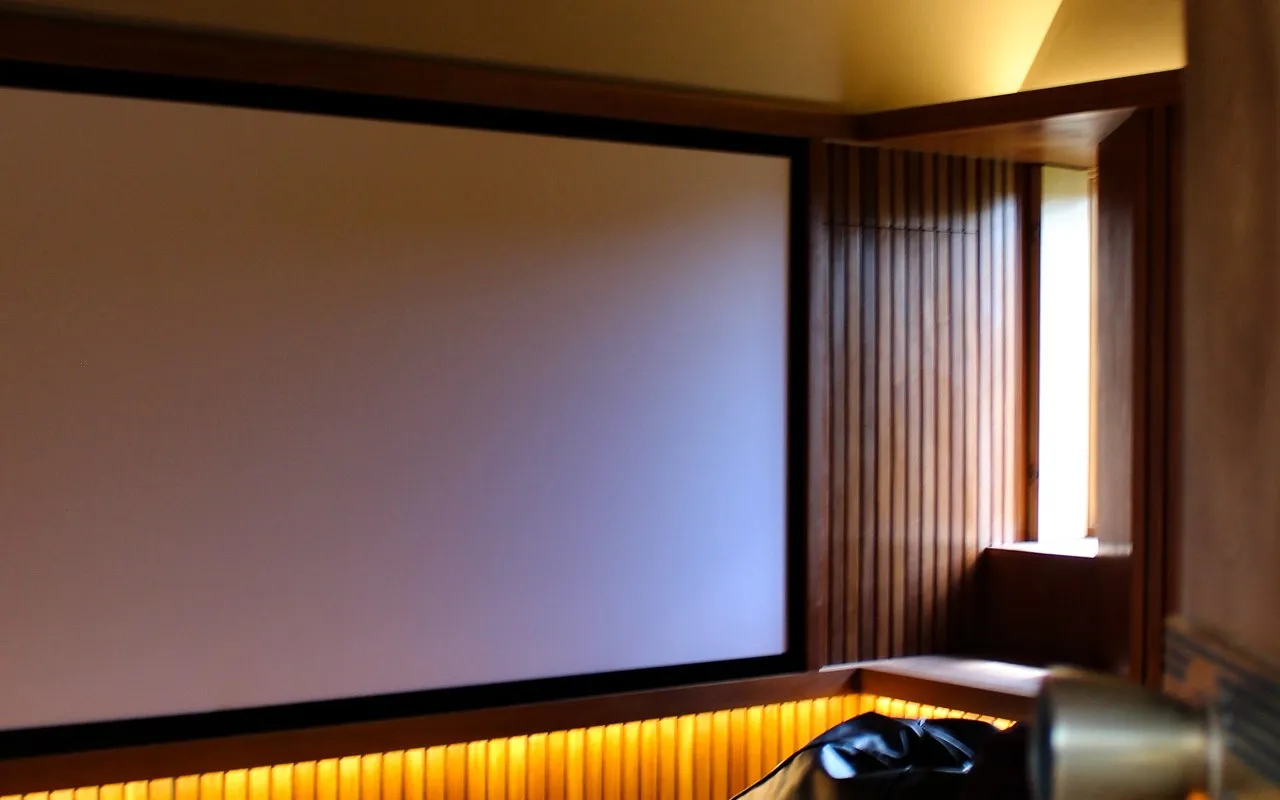 Home cinema · 3 min read
A loft cinema room: the perfect space
Creating a loft cinema room is one of the most exciting room conversions you can undertake! Acoustic Pixel love to transform previously under used rooms into stunning entertainment spaces for you and your family! Loft home cinema room conversions are among our favourite projects!
Read article →- Home cinema · 8 min read
Home cinema installation cost: an honest breakdown of UK pricing in 2026.
What each band actually buys, component by component, and where the money genuinely matters.
Read article → - Smart home · 7 min read
How much does a Control4 system cost?
The controller is the cheap part. Real numbers for one room up to a whole house, and what moves them.
Read article → - Home cinema · 6 min read
How to choose a home cinema installer.
What a good one does differently, the red flags to walk away from, and the questions worth asking first.
Read article → - Smart home · 6 min read
Smart home retrofit: when to rescue, and when to start fresh.
Most flaky systems can be saved. How to tell whether yours needs rescuing or replacing.
Read article →
Get the network right.
Whether it's a standalone network or the groundwork for a smart home, we'll design it for the building so everything you add stays reliable.